





How to Design Removable Batteries in Compliance with the EU Battery Regulation (EU) 2023/1542 ?
How to design a removable battery to comply with the EU Battery Regulation (EU) 2023/1542?
Traditionally, when consumers purchased laptops, they could only add hard drives or memory themselves; the battery was a component under several layers of structure. If issues arose or it needed disposal, it had to be returned to the collaborating manufacturer for removal according to SOP procedures. However, following the regulation's passage, we must consider the following key points when designing a removable battery structure:
1. Non-destructive removal mechanism
The regulations clearly state that users should not need special tools or risk product damage when replacing the battery; thus, the structural design needs to be adjusted as follows:
-
- Use screw or clip structures and avoid using strong adhesives or glues.
- Provide space and leverage points for assembly and disassembly.
- To protect the main body, the battery module can be replaced without removing the motherboard.
2. Introduction of modular design
In response to the removable design, the battery module will be changed into an independent unit for easy replacement and recycling. Considering production and user repair, the following suggestions are made:
-
- The battery and motherboard use a detachable connection (such as FPC or pin-plug).
- Reserve fixed points and foolproof structures to avoid operational errors.
- Optimize module size and shape to facilitate production and assembly, as being too thin or too long can easily cause deformation.
3. Labeling and identification
According to regulations, the battery module must be marked with specifications and recyclable information, including clear labeling areas (such as model, capacity, recycling icon), using materials resistant to scratching and high temperatures for printing or laser marking, and finally, provide clear assembly/disassembly diagram guidance for user reference.
4. Considerations for ESG and circular economy
Actually, modifying structural design in advance is not only to comply with regulations but also to prepare for corporate sustainable development. When we reduce the use of single-use adhesives, and battery modules can be completely disassembled, sorted, and recycled, it also helps companies promote material and product carbon footprints, further aligning with green supply chain goals.
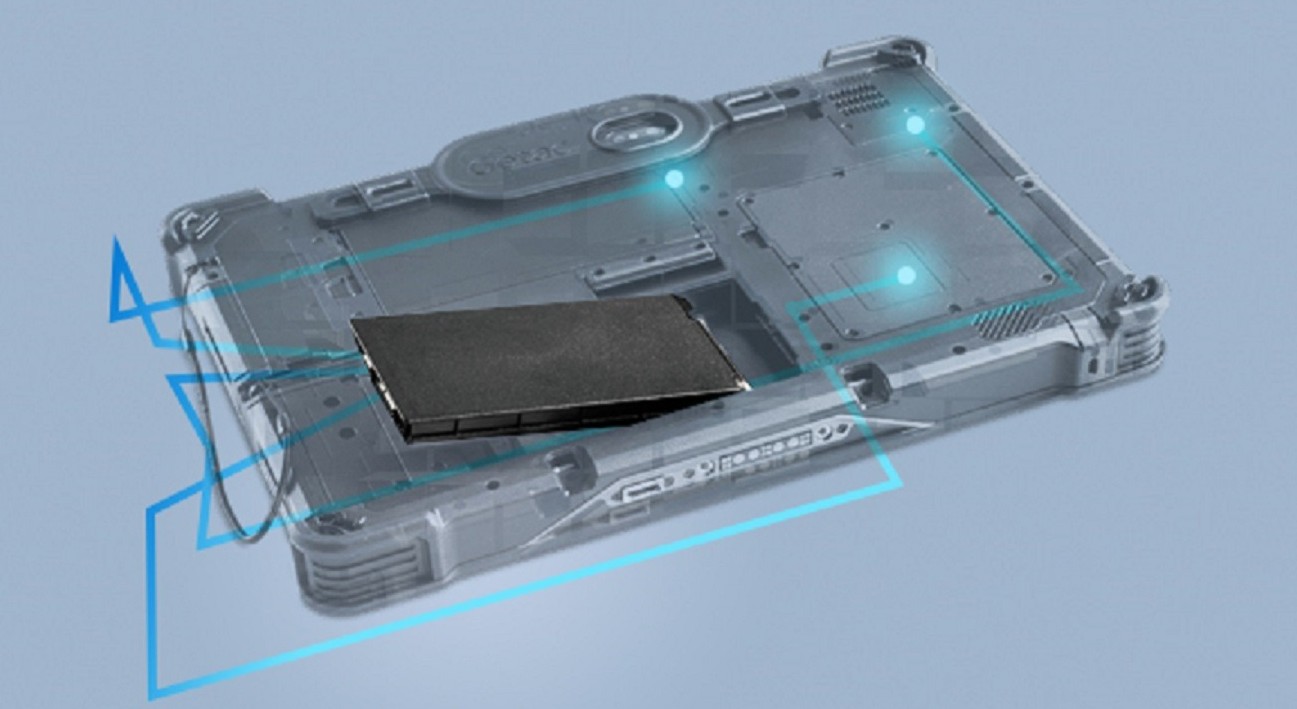
We provide structural design consulting and module verification services for the EU Battery Regulation, including:
- Description of the disassembly process design diagram.
- Module interchangeability testing and component lifespan assessment.
- Development of compliant labeling, structure, and error-proofing design.
Since 2023, we have assisted European brand OEM customers in completing and implementing a modular removable battery structure that complies with EU 2023/1542. This aid helped customers successfully pass compliance audits and gain user acclaim.
Related information
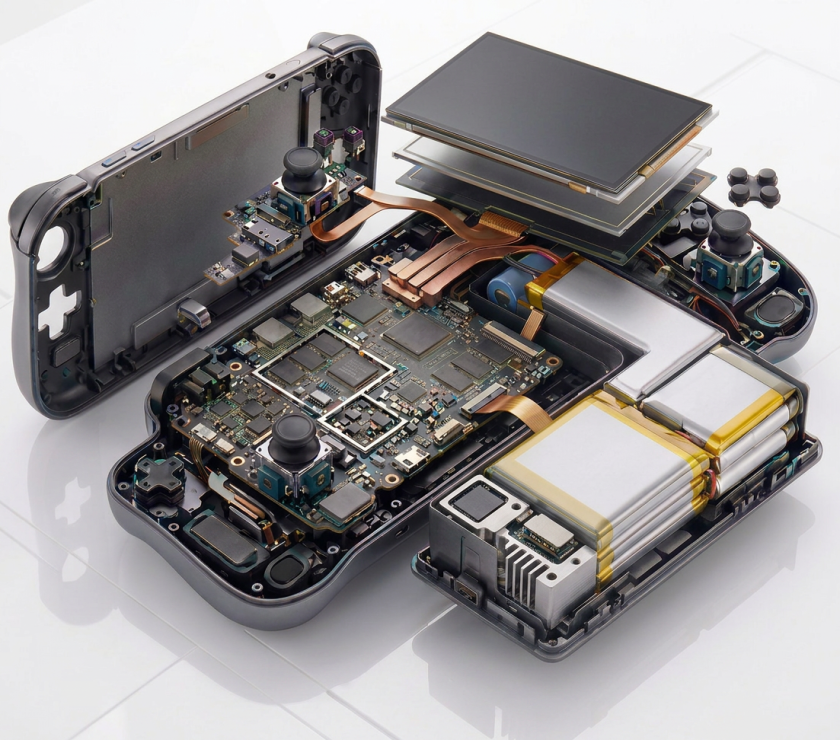
Success Story – Overcoming Space Constraints with a High-Performance Battery Solution for Handheld Gaming Devices
As portable entertainment devices become more powerful, limited space and battery life become key challenges. Atemitech addresses them with customized battery solutions.
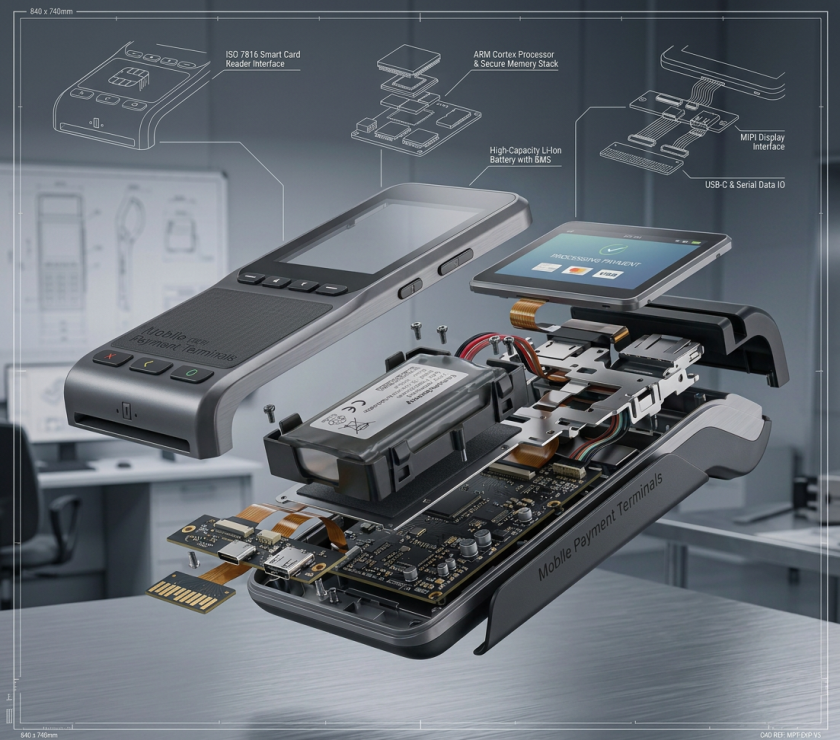
Success Story – From Battery to System: Building a Reliable Power Solution for Mobile Payment Terminals
As mPOS adoption grows, mobile payment terminals require longer battery life, reliability, and efficient space utilization. Atemitech optimized battery capacity within existing space constraints and integrated the battery, mechanical structure, and charging system to deliver a reliable, production-ready power solution.
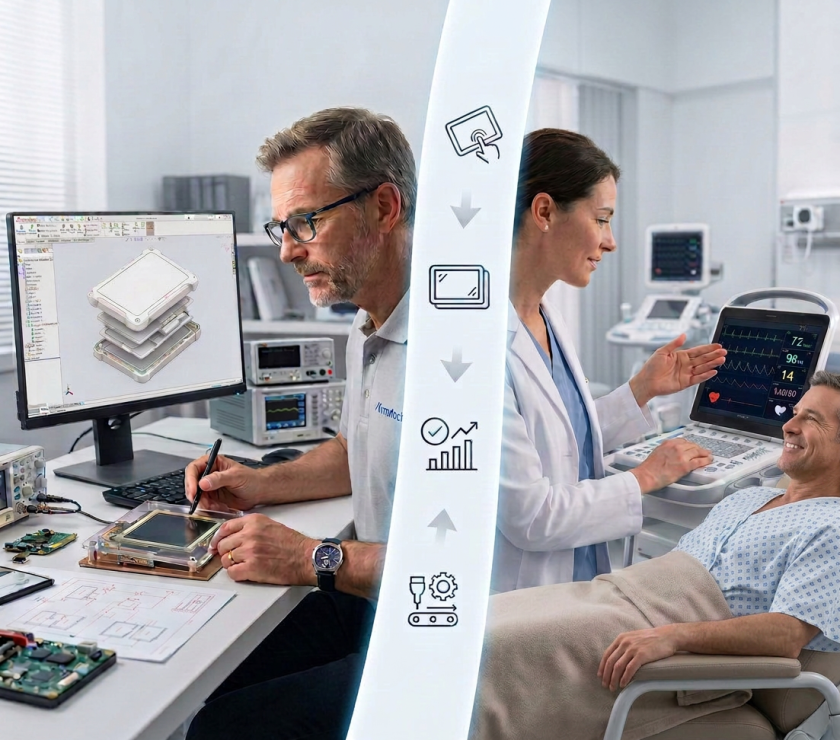
Success Story – A Decade of Engineering Medical Innovation
For nearly a decade, Atemitech has partnered with a leading global healthcare company to develop advanced medical touch display solutions. Backed by ISO 13485-certified quality management and engineering expertise, Atemitech delivers reliable, innovative solutions that help customers build safer and smarter next-generation medical devices.