




Backup System Battery
Traditionally, data center UPS systems have relied on lead-acid batteries. Today, however, more efficient, cost-effective, and environmentally friendly BBU backup battery solutions are increasingly being adopted to ensure stable power supply.
Atemitech’s BBU backup battery systems are safe and highly reliable, utilizing 24V/48V lithium battery packs. They deliver superior energy density (Wh/L) and power density (W/kg) compared to lead-acid batteries. From battery design and material selection to manufacturing processes, all products are rigorously tested and validated by customers, enabling us to provide more economical and environmentally friendly power solutions.
Advantages of BBU Backup Batteries
Traditional UPS systems have long relied on lead-acid batteries, which are bulky, costly to maintain, and suffer significant energy loss during frequent charge-discharge cycles. As the demand for power backup in data centers, communication base stations, and industrial equipment continues to rise, the BBU backup battery, centered around lithium batteries, offers a more streamlined and efficient uninterrupted power solution, effectively reducing equipment space and system energy consumption while providing the same backup capacity.
The BBU backup battery uses lithium batteries, which are more compact than lead-acid batteries and save space. Hantron's BBU backup battery is about 60% lighter and saves 70% space, integrating better with modern server racks.

Lithium-ion batteries have a relatively low failure rate in critical mission environments and are commonly used in enterprise network backup systems, data storage backup systems, cloud server backup systems, 4G/5G telecom system backups, and large-scale energy storage solutions.
BBU lithium batteries have a lifespan approximately five times longer than UPS lead-acid batteries. Compared to similar products, they are environmentally friendly and recyclable, and they charge quickly. For example, a rack-mounted BBU in a data center can charge to 90% in about two hours, saving about twice the time compared to UPS lead-acid batteries.

Lithium-ion batteries do not use lead, making them more environmentally friendly compared to lead-acid batteries. Additionally, lithium batteries have shorter charging times and lower power requirements, which reduce replacement frequency and the energy needed for production and transportation.
Atemitech's BBU backup batteries come equipped with a built-in Battery Management System (BMS) that provides fault monitoring, battery balancing, and power optimization for each individual battery.
Application Cases
Developed backup battery module product application cases.
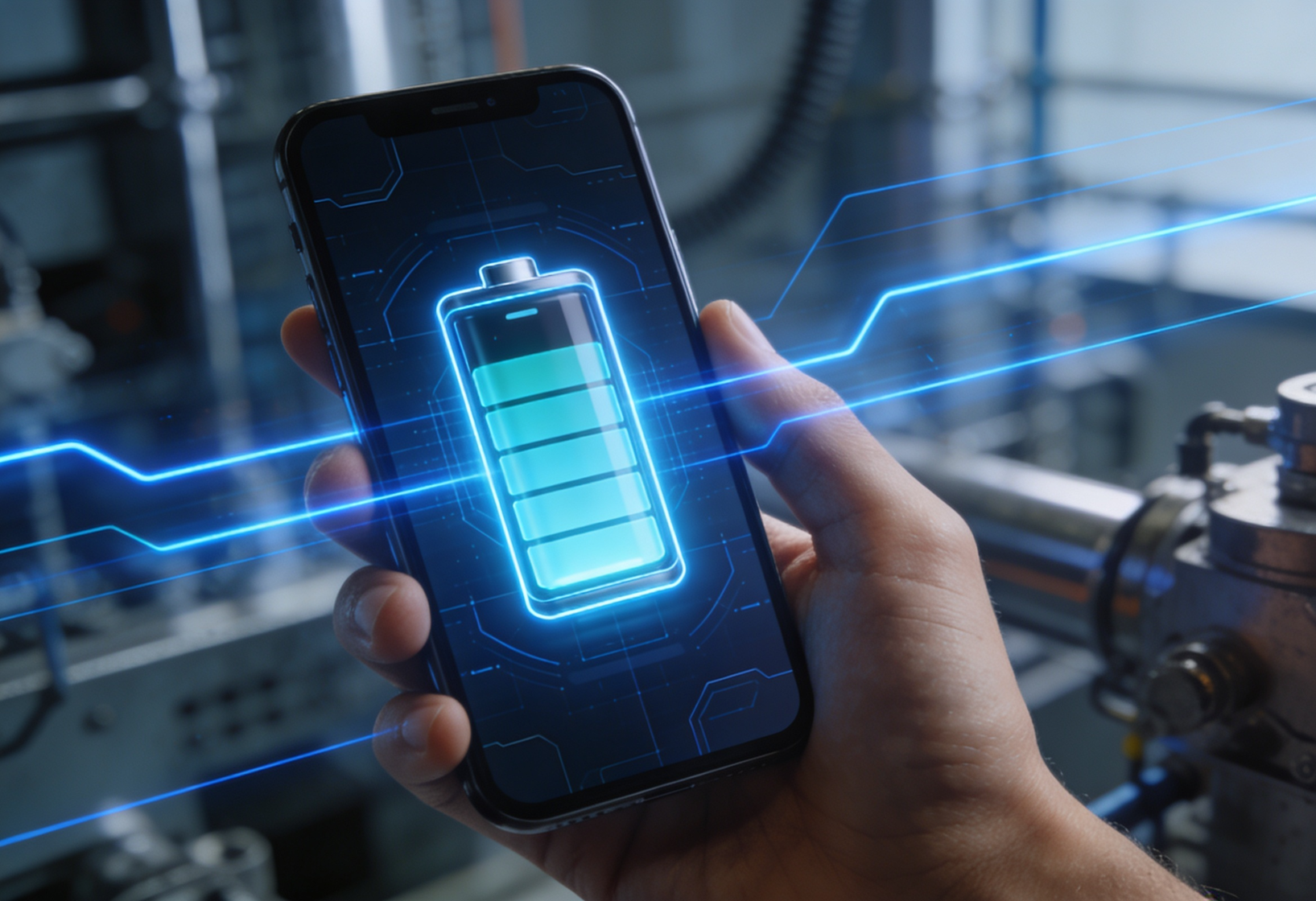
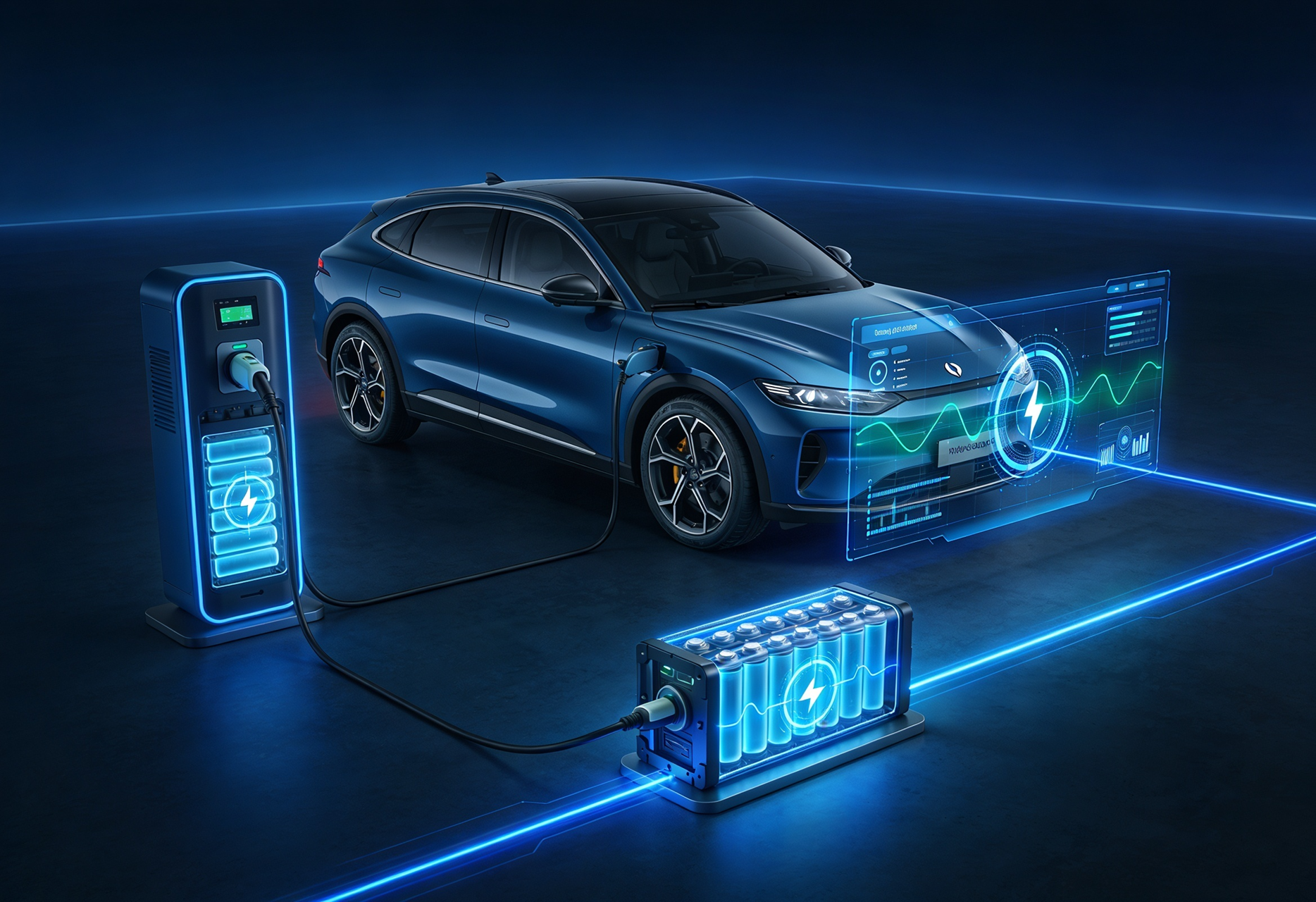



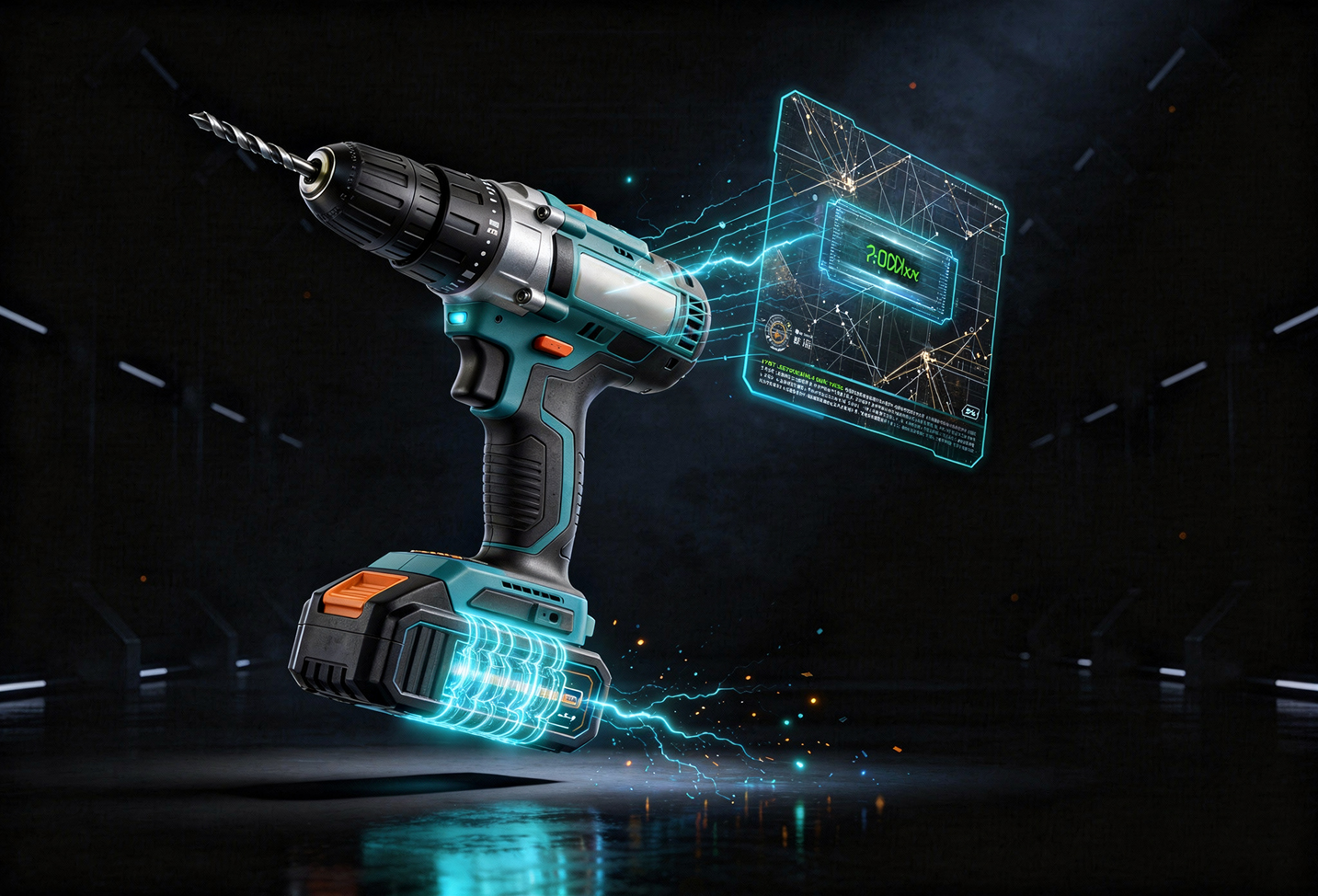

Atemitech BBU backup battery module is customized from cell selection, BMS design to system integration according to the customer's application environment.
It supports multiple international safety certifications such as UL and IEC, helping customers simplify the regulatory review process.
Provide complete material traceability documents to meet the purchasing team's requirement for supply chain transparency.

Choosing Atemitech is not just about choosing a battery,
but a backup solution that is auditable, expandable, and meets modern power management needs.